Rude Q&A: The Constructive Devil's Advocate
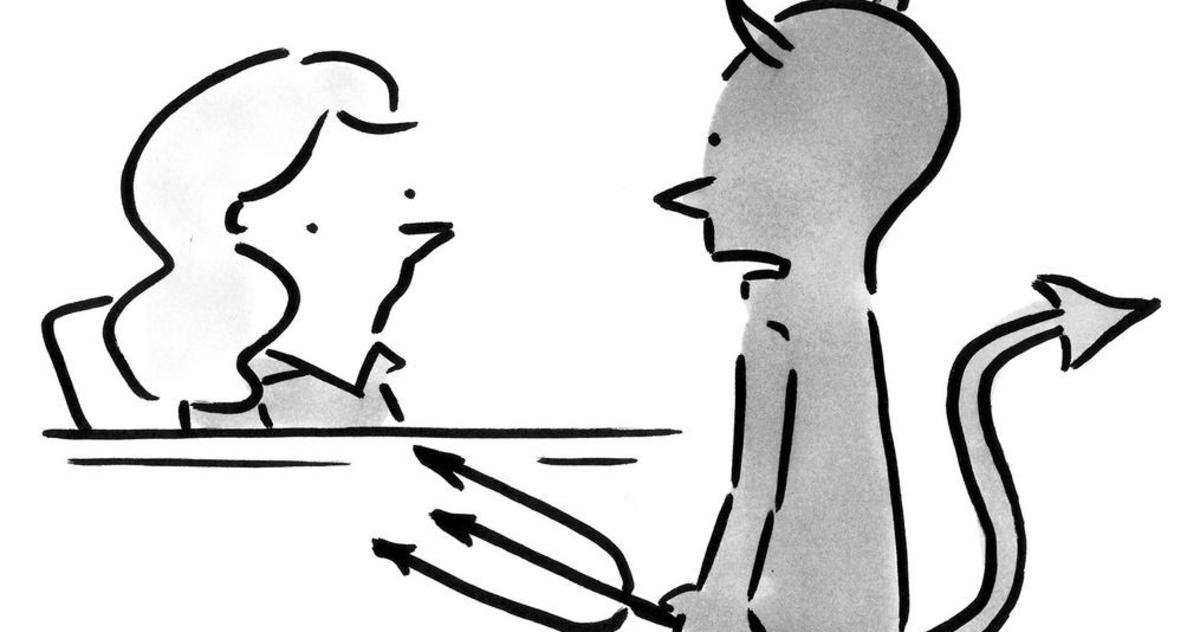
Stress-test any decision, plan, pitch, or positioning against sharp questions until you can defend it or admit it isn't ready. Adapted from Rude Q&A: The constructive devil's advocate.
- Input
- A plan, pitch, decision, or positioning — a one-line dilemma or a fully-supported brief.
- Output
- A markdown document with sharpened decisions, accepted consequences, and the next questions you owe yourself.
What this is about
A hard decision has one big problem: you cannot interrogate yourself. Denial and excuse-making are normal human behavior. This is why strategy documents are full of hope and supporting data, instead of the scary challenges the business really faces. You need an outside attacker to get past this. This attacker asks unfair questions, refuses vague answers, and stays on each point until you give a real answer.
This skill turns Claude into that attacker. Bring Claude anything you care about but are unsure of — a decision, a plan, a pitch, a target market, a pricing plan, or an idea still in progress. State it as a one-line problem or a full brief. Claude questions it from every angle, including unfair ones. It stays on any point where your answer is unclear, and it will not accept "approximately fine" as a final answer. You get one of three honest results: a sharper plan built from real decisions with the consequences accepted, a clear list of what you still need to find out or decide before you can defend the plan, or the conclusion that the idea was wrong.
The exercise is like practice with a "heavy bat." You face attacks harder than reality will bring, so the real thing feels easier. The questions are deliberately rude, but the tone around them stays friendly. The result is a markdown document. It records the decisions, the reasoning, the consequences you accepted, and the points where you felt uncomfortable.
Example invocation
You can invoke the skill like this:
/asb-rude-qa I'm writing a book which is outlined in the file
/Users/jcohen/book/Hidden Multipliers. In that file you can also see who
my audience is and why they should be interested in it. I don't know
exactly who my ICP is or how to market it.
Claude presses every soft spot — ICP, differentiation, market size, competitive alternatives — until you give a real answer or admit what you still need to find out.
One practical note: tell Claude where you are working. Name a directory (or point to your existing files) when you start, and the skill keeps the method's files together there. If you do not name a location, it asks before it creates anything.
From the source
Two articles form the foundation of this skill:
- Rude Q&A: The constructive devil's advocate — explains the technique itself. It covers why unfair, hostile, even wrong questions help rather than hurt, and why your own dissatisfaction with an answer signals that the exercise is working.
- Failure to face the truth — gives the reasoning behind the method. It explains why denial and excuse-making are normal human behavior, and why an outside attacker is the only reliable way past this. Rude Q&A is the practical answer to the question this article raises.
Each supporting article covers one part of the method, or one goal the interrogator aims for:
- What makes a strategy great — defines "Candid" and "Decisive" as required qualities of a good strategy. The interrogation aims to bring your plan to this state.
- Strategic choices: When both options are good — shows what a real decision looks like: both sides are smart choices, you accept the consequences, and the parts reinforce each other. This is the final phase of the exercise.
- The "Opposite Test" — describes the specific test the interrogator uses to find meaningless claims and turn them into real choices.
- Scars — explains why even highly self-aware people cannot fix their own blind spots alone. This is the deepest reason this skill needs to exist.